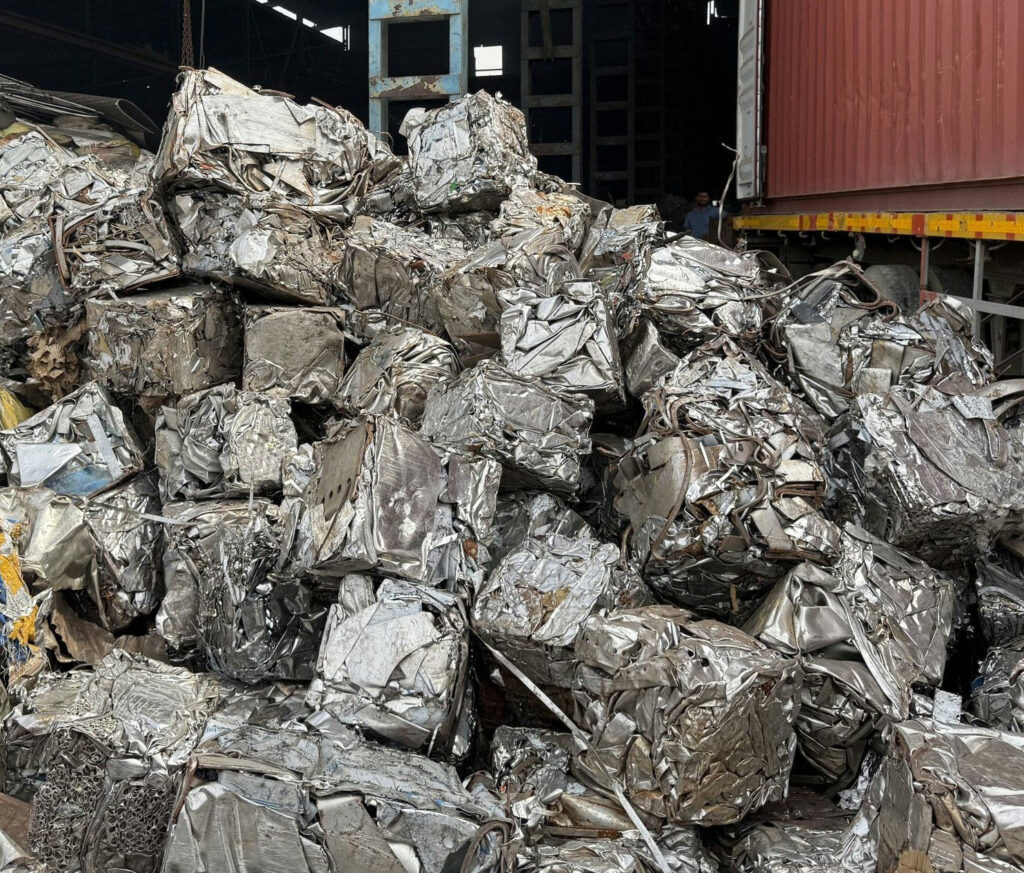
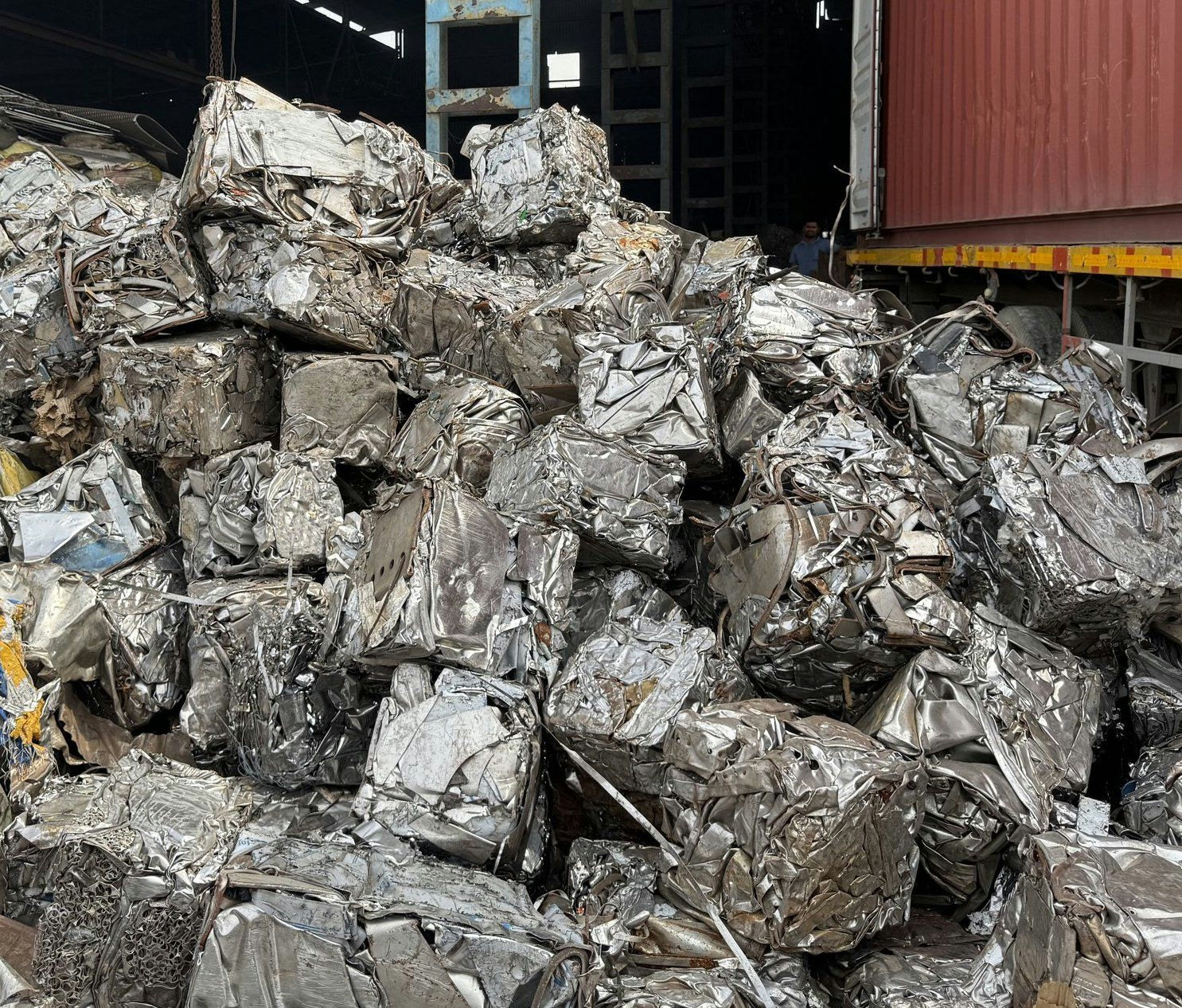
All conversation about scrap often begins with a simple question: What is the rate today?
But anyone who has worked in the stainless steel industry knows that the discussion rarely ends there. A change in import policy, a currency fluctuation, a restriction in an overseas market or a sudden shift in global demand can change the economics of sourcing almost overnight.
Consider a familiar situation: a manufacturer is evaluating an imported scrap consignment against domestic material. The landed price looks attractive, but the decision is no longer just about the price per tonne. There are questions about delivery timelines, currency exposure, availability of the next consignment and whether the same material can be sourced consistently.
This is the reality of scrap procurement today. Scrap is not simply a recycled input. It is an increasingly strategic industrial resource.
1. Countries are beginning to treat scrap as a strategic resource
For a long time, scrap was largely viewed through the lens of commodity trading. Material moved between countries based on availability, demand and price.
That equation is changing.
As countries look to strengthen domestic manufacturing, reduce dependence on imported raw materials and increase recycled content in steel production, access to scrap is becoming a matter of economic strategy.
Several economies are introducing or considering measures that influence the movement of scrap across borders. Export restrictions, import regulations and changing waste-shipment rules can all affect where scrap is available and where it can be processed.
The OECD’s 2026 Steel Outlook identifies the growing use of export restrictions on steelmaking raw materials, including scrap, nickel and chromium.
The implication is significant: countries with strong recycling and processing ecosystems may be better positioned to secure their raw material requirements.
2. India’s scrap requirement is also a question of supply security
India is one of the world’s major steel-producing and consuming economies. As domestic steel production expands, so does the requirement for reliable raw material supply.
However, domestic scrap availability has not always kept pace with industrial demand. Imports therefore remain an important part of the country’s scrap supply chain.
This creates an exposure that goes beyond international price movements.
Changes in exporting countries’ policies, shipping costs, exchange rates and overseas demand can all influence the availability and landed cost of imported material.
A study by ICRIER on India’s scrap trade highlights this vulnerability and the potential impact of restrictions imposed by major supplying countries.
For Indian manufacturers, the question is not whether imported scrap will remain relevant. It is how to build a sourcing strategy that is not overly dependent on any single supply channel.
3. Domestic recycling needs to become more organised
Reducing import dependence cannot happen simply by asking manufacturers to buy more domestic scrap. It requires a stronger collection and processing ecosystem.
India generates substantial quantities of industrial scrap through manufacturing, fabrication, machining, infrastructure development and the replacement of older equipment. Yet collection, sorting, aggregation and material recovery remain fragmented across several parts of the market.
There is an opportunity to improve this system through:
- Better collection networks connecting industrial scrap generators with recyclers and manufacturers.
- More organised grade-wise sorting and material identification.
- Investment in scrap processing and preparation infrastructure.
- More transparent pricing mechanisms that reflect material quality.
- Stronger long-term relationships between scrap suppliers, processors and manufacturers.
The objective should not simply be to increase the volume of scrap collected. It should be to make more usable, consistent secondary raw material available to domestic industry.
4. The next competitive advantage may lie in sourcing strategy
In a volatile raw material market, the lowest purchase price does not necessarily translate into the lowest production cost.
A sourcing strategy needs to account for several factors:
- Supply diversification: Depending too heavily on one country, supplier or material stream can create vulnerabilities.
- Domestic sourcing networks: Strong relationships with local scrap dealers, recyclers and industrial generators can provide an alternative when international supply becomes uncertain.
- Long-term procurement relationships: Consistency of supply can be as important as short-term price advantages, particularly when production schedules need to be maintained.
- Material recovery and processing: Better sorting and preparation infrastructure can improve the availability of usable raw material and reduce avoidable losses.
For manufacturers, procurement is increasingly about balancing cost, quality, availability and supply continuity.
For scrap suppliers, this creates an opportunity to move beyond transactional trading and become dependable sourcing partners.
5. Recycling policy and manufacturing competitiveness must move together
There is an important distinction between encouraging recycling and building a competitive recycling industry.
Policies that promote recycled material use are valuable, but they must also consider the economics of collection, processing, transportation and manufacturing.
If scrap becomes difficult or expensive to source, process or trade, the entire value chain feels the impact.
Equally, restricting exports without strengthening domestic collection and processing capacity does not automatically guarantee a more efficient recycling ecosystem.
The long-term objective should be to create an environment where scrap can move efficiently to the processors and manufacturers best equipped to recover its value.
This requires coordination between policymakers, scrap dealers, recyclers and steel producers.
The bigger question: Who will secure the next generation of raw materials?
The stainless steel industry is entering a period in which access to raw materials will be shaped not only by commodity prices, but also by trade policy, resource security and the strength of domestic recycling infrastructure.
For India, building a more resilient scrap ecosystem is an opportunity to strengthen its manufacturing base, reduce exposure to external supply disruptions and create greater value within the domestic recycling chain.
At Janki Stainless, we believe the conversation around scrap needs to move beyond purchase prices and recycling volumes. The availability of reliable raw materials is fundamental to the competitiveness of the manufacturing industry.
The future of stainless steel manufacturing will depend not just on how much we produce, but also on how strategically we source and recover the materials that go into it.
Janki Stainless welcomes conversations with stainless steel scrap dealers, recyclers, aggregators and industrial suppliers interested in building reliable long-term sourcing relationships.