
Ideas, standards and updates from the shop floor.
Technical guides on grades, finishes and tolerances; what our certifications actually mean for your supply chain; and updates from our Dholka facility — written by the team that runs it.
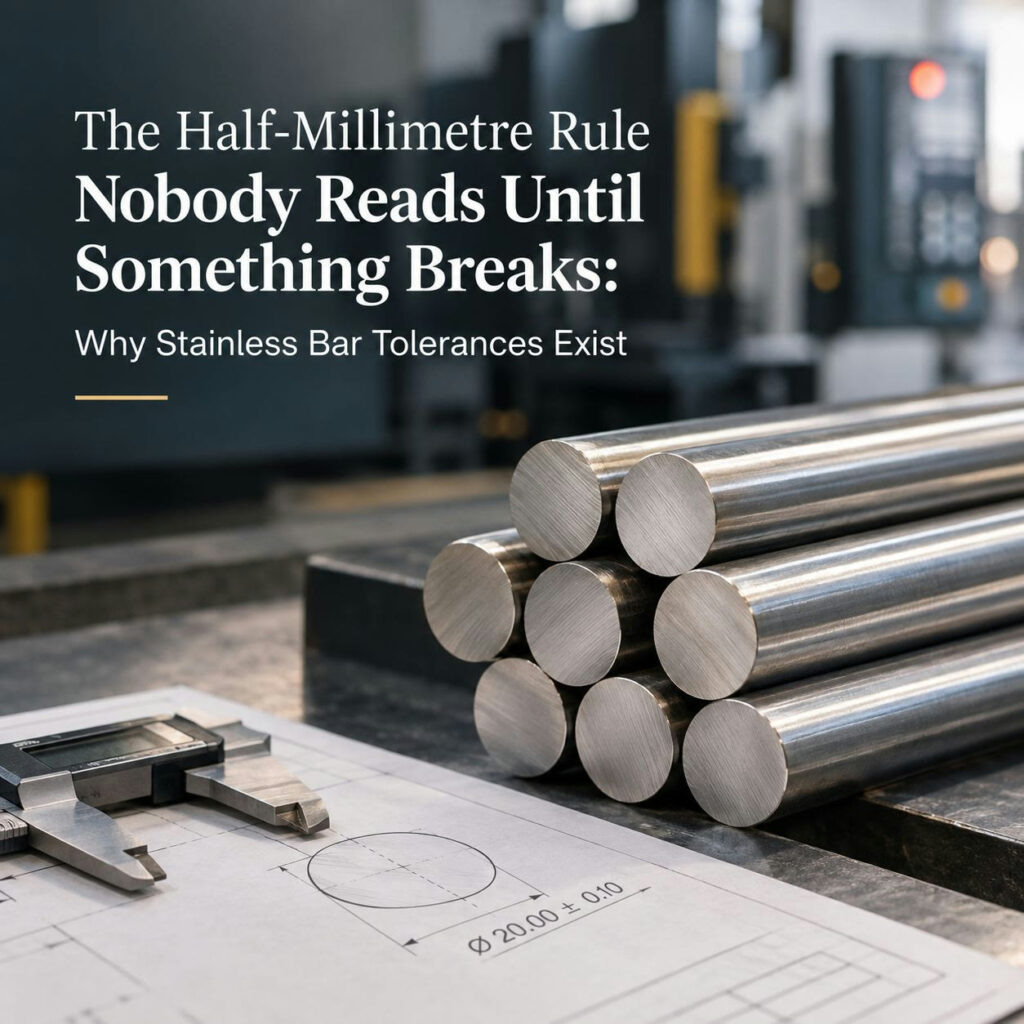
The Half-Millimetre Rule Nobody Reads Until Something Breaks: Why Stainless Bar Tolerances Exist
ASTM A484 tolerance bands aren’t bureaucratic fine print — they’re what keeps automated bar-feed lines running without jamming. Here’s why the standard exists, and why serious mills treat it as a floor, not a target.
Read article →
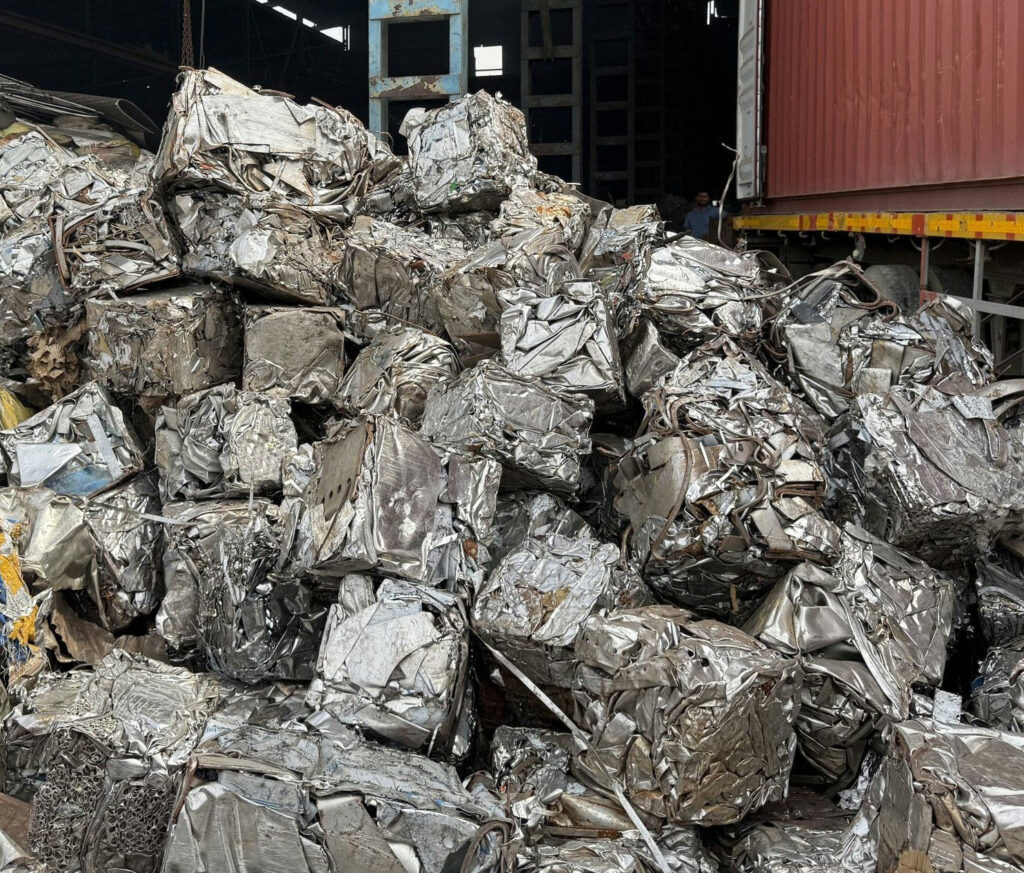
Stainless Steel Scrap Is Becoming a Strategic Resource. Is India Prepared?
Scrap is no longer just a commodity trade — it’s becoming a matter of strategic resource security. Here’s what that shift means for Indian manufacturers, and why sourcing strategy may be the next competitive advantage.

Choosing the Right Tolerance Class for Precision Machining
Specifying a tighter tolerance class than your process actually needs adds cost with no benefit. Here's how to match tolerance class to application.

Janki Stainless Expands Annual Capacity to 28,800 MT
A second furnace and an expanded finishing line at our Dholka facility take Janki Stainless's current annual production capacity to 28,800 MT, with a roadmap to 60,000 MT by 2030.

Surface Finishes Explained: From Cold Drawn to Centerless Ground
Surface finish affects more than appearance — it changes tolerance, straightness and how the material behaves on your machine. A quick guide to what each process actually does.

BIS Certification: What It Means for Your Supply Chain
A BIS mark on a stainless steel product is a quality guarantee backed by third-party audit, not a self-declared claim. Here is what the standard actually checks.

How to Read a Mill Test Certificate (MTC)
Every batch we dispatch travels with a mill test certificate. Here is what each section actually tells you, and what to check before you sign off on a delivery.

Stainless Steel Grades: 304 vs 316, and How to Choose
The two most-specified austenitic grades look identical on a spec sheet. The difference is molybdenum — and it matters more in some applications than others.
No articles in this category yet — check back soon.