
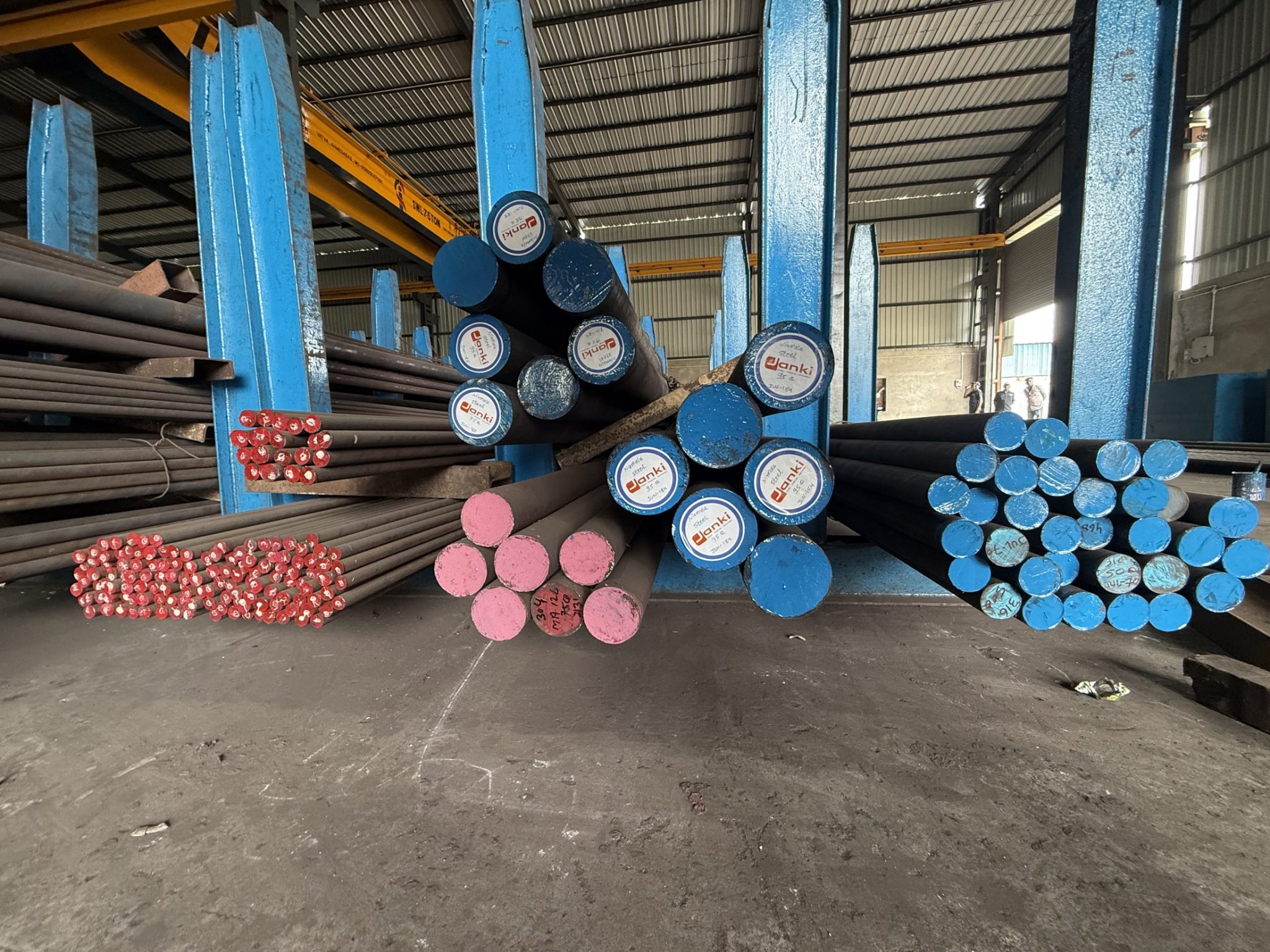
Dimensional tolerance classes (h8 through h11 and beyond, per DIN 671 / ASTM A484) define the permitted deviation from nominal diameter along a bar’s length. Tighter classes cost more to produce — more passes, slower feed rates, higher rejection risk — so specifying tighter than the application actually requires is a common and avoidable source of overspend.
h11 / h11a — general purpose
The widest common tolerance band, suited to components that will be substantially machined to final size regardless of incoming bar tolerance — structural work, general fabrication, parts where the bar diameter itself isn’t a functional dimension.
h9 / h10 — standard precision
A reasonable middle ground for components with moderate size-critical requirements — bushings, standard fasteners, parts fed through automated bar-stock machines where consistent diameter reduces machine setup and scrap.
h8 and tighter — high precision
Reserved for applications where the bar’s own diameter is close to a functional final dimension — precision shafts, components with minimal machining allowance, high-speed automatic lathe work where variation in stock diameter directly affects cycle time and tool wear.
A practical approach
Work backward from your process: if the bar will be turned down significantly before use, a looser (and cheaper) tolerance class rarely matters. If your machine feeds directly from bar stock with minimal stock removal, tolerance class becomes a real cost-and-quality lever worth specifying carefully. When you send us a drawing, our team will flag if the tolerance called out is tighter than the application appears to need — it’s a five-minute conversation that can meaningfully change your per-piece cost.
What do you think?
The amount of funding they secured is impressive, and it’s great to see that they have the support of investors to help them bring their vision to life. This financing will surely help them to accelerate the development of Big River 2 and make it a success.